
Boston winter can be a real beast, and for too many homeowners, their heat pump feels like it's barely holding its own when the mercury truly drops.
You bought a heat pump for a reason – ultimate comfort and cost savings – but if yours isn't roaring to life even on the coldest days, you're missing out on its true potential.
Stop settling for lukewarm air and inflated electric bills. It's time to unleash the full, powerful heating performance your system was designed to deliver. What's holding it back, and how can you get that maximum warmth all winter long?

The Silent Saboteurs: Why Your Heat Pump Underperforms in Boston's Cold
When your heat pump struggles to keep up with a biting Boston winter, it’s rarely because the technology itself is at fault. More often, a few sneaky culprits are quietly undermining its ability to produce the consistent warmth you deserve.
These aren't always dramatic breakdowns. Think of them as silent efficiency vampires, slowly draining your comfort and inflating your energy bills without a blaring warning sign.
It’s time to expose these hidden issues preventing your system from operating at its peak, especially when the mercury truly drops.
The Usual Suspects Lurking in Your System
One of the biggest offenders is surprisingly simple: a neglected air filter. A clogged filter chokes off essential airflow, forcing your heat pump to work harder, consume more electricity, and ultimately deliver less heat into your home.
Beyond that, consider the outdoor unit's coils. If they're caked with dirt, leaves, or even accumulating ice, they cannot properly exchange heat. This drastically reduces your system's efficiency and its capacity to pull warmth from the cold outdoor air.
Then there's the unseen enemy: refrigerant issues. Whether it’s a low charge from a slow leak or an improper level, your heat pump can't transfer heat effectively. This isn't just about lukewarm air; it can cause serious, long-term damage to the compressor—the very heart of your heating system.
How Boston's Cold Amplifies the Problem
Boston winters demand a lot from any heating system, and heat pumps are no exception. While they are incredibly efficient at moderate temperatures, extreme cold pushes them to their absolute limits.
Any existing inefficiencies, like those dirty coils or low refrigerant, become dramatically worse as the temperature plummets. What might be a minor performance dip on a mild day turns into a major comfort crisis when temperatures are well below freezing.
Your heat pump might constantly run, yet still struggle to reach your desired thermostat setting. This isn't just uncomfortable; it’s a clear signal that your system is fighting an uphill battle it simply can't win alone.
Decoding Your Heat Pump's Winter Modes: Understanding Auxiliary Heat and Defrost Cycles
Understanding Auxiliary Heat: Your Heat Pump's Winter Backup
When Boston temperatures really plunge, often below freezing, your heat pump might need a little extra muscle. This is where auxiliary heat, sometimes called supplemental or emergency heat, steps in. Think of it as your system's powerful backup heater, usually electric resistance coils or even a gas furnace, designed to give your heat pump a boost and ensure your home stays toasty warm.
It’s important to understand this isn't a sign of a problem; it's a built-in feature. Your heat pump pulls heat from the outside air, and as that air gets colder, it becomes harder for the unit to extract enough warmth efficiently. Auxiliary heat kicks in automatically to bridge the gap, bringing your home up to temperature quickly and effectively. You might notice a red "Emergency Heat" light on your thermostat – this is usually a manual override, and generally, you want your system to manage this process on its own.
The Defrost Dance: Why Your Outdoor Unit Takes a Break
Another crucial winter operation for your heat pump is the defrost cycle. Because your outdoor unit is constantly working to extract heat from chilly air, moisture in that air can freeze onto its coils, creating a layer of ice. This ice acts like an insulator, severely reducing the unit's ability to absorb heat.
When this happens, your heat pump temporarily reverses its cycle. Instead of taking heat from outside and moving it in, it pulls a small amount of heat from your home and uses it to melt the ice off the outdoor coil. During this time:
- You might see steam rising from the outdoor unit.
- The outdoor fan might stop spinning.
- Your indoor unit might blow cooler air for a few minutes.
These are all perfectly normal signs of a healthy heat pump working to maintain optimal performance. A typical defrost cycle lasts anywhere from 5 to 15 minutes, ensuring your system clears itself of ice so it can get back to efficiently warming your home.

Your Winter Checklist: DIY Steps to Maximize Heat Pump Efficiency and Comfort
Want to squeeze every ounce of warmth from your heat pump without calling a pro just yet? Start with these fundamental checks. First up, the air filter – your system's lungs. A clogged filter is a guaranteed heat killer, making your unit struggle and your bills climb. Change or clean it monthly during the harsh Boston winter. Trust us, it’s the lowest-hanging fruit for better performance.
Next, get friendly with your thermostat. It’s your heat pump’s brain. Ensure your settings are optimized for winter and that you’re not accidentally hindering its operation.
Thermostat Tweak Tips:
Set it and forget it (mostly): Avoid constantly adjusting the temperature up and down. Find a comfortable setting and let the heat pump do its job.
Understand "Auto" vs. "Emergency Heat": Only use "Emergency Heat" if your main system fails. "Auto" allows your heat pump to use auxiliary heat when needed without you manually switching modes.
Program for setbacks: Lowering the temperature by a few degrees when you're away or asleep can save energy, but don't drop it so low that the system has to work overtime to recover.
Now, let's head outside to the unsung hero – your outdoor unit. It’s constantly working to extract warmth from even the coldest air. But snow, ice, and debris are its sworn enemies. A blanket of snow or ice around the coils dramatically reduces its ability to transfer heat.
Clear the Air Around Your Unit:
Shovel away snow: Keep at least two feet of clear space around the entire unit, especially after a Boston snowfall. Don't let snow pile up against it.
Watch for ice buildup: During freezing rain or extreme cold, ice can form on the coils. Your heat pump's defrost cycle should handle this, but severe buildup might need careful (and gentle!) attention. Never chip ice away; consider pouring lukewarm water if it's truly stuck, or call a pro if you're unsure.
Remove debris: Leaves, branches, and trash can obstruct airflow. A clear path means peak performance.
These simple steps cost you nothing but a few minutes, yet they yield significant returns in comfort and lower heating bills. Don't let something so easy sabotage your winter warmth!
Beyond DIY: Professional Diagnostics and Expert Solutions for Peak Winter Performance
There comes a point when a quick filter change or a thermostat adjustment just isn't cutting it. Your heat pump is a sophisticated piece of engineering, and while some basic troubleshooting is helpful, many problems are simply beyond the scope of a DIY fix. Trying to tackle complex issues yourself can often lead to further damage, voided warranties, or even unsafe operating conditions.
When your Boston heat pump is stubbornly underperforming, you need more than guesswork. Our certified technicians bring specialized tools and deep expertise to the table, allowing for precision diagnostics. We don't just guess; we pinpoint the exact root cause of your heat pump's struggle, whether it's a subtle refrigerant leak, a failing compressor, or a complex electrical fault. This is about getting accurate answers, fast.
Once we diagnose the problem, our team provides expert, lasting solutions. This could involve anything from intricate coil cleaning that restores optimal heat exchange to calibrating sensitive sensors for accurate temperature readings. We ensure every component, from the fan motor to the reversing valve, is working in perfect harmony. The goal? To transform your hesitant heat pump into a reliable, powerful heating machine that keeps your home warm and your energy bills reasonable, all winter long.
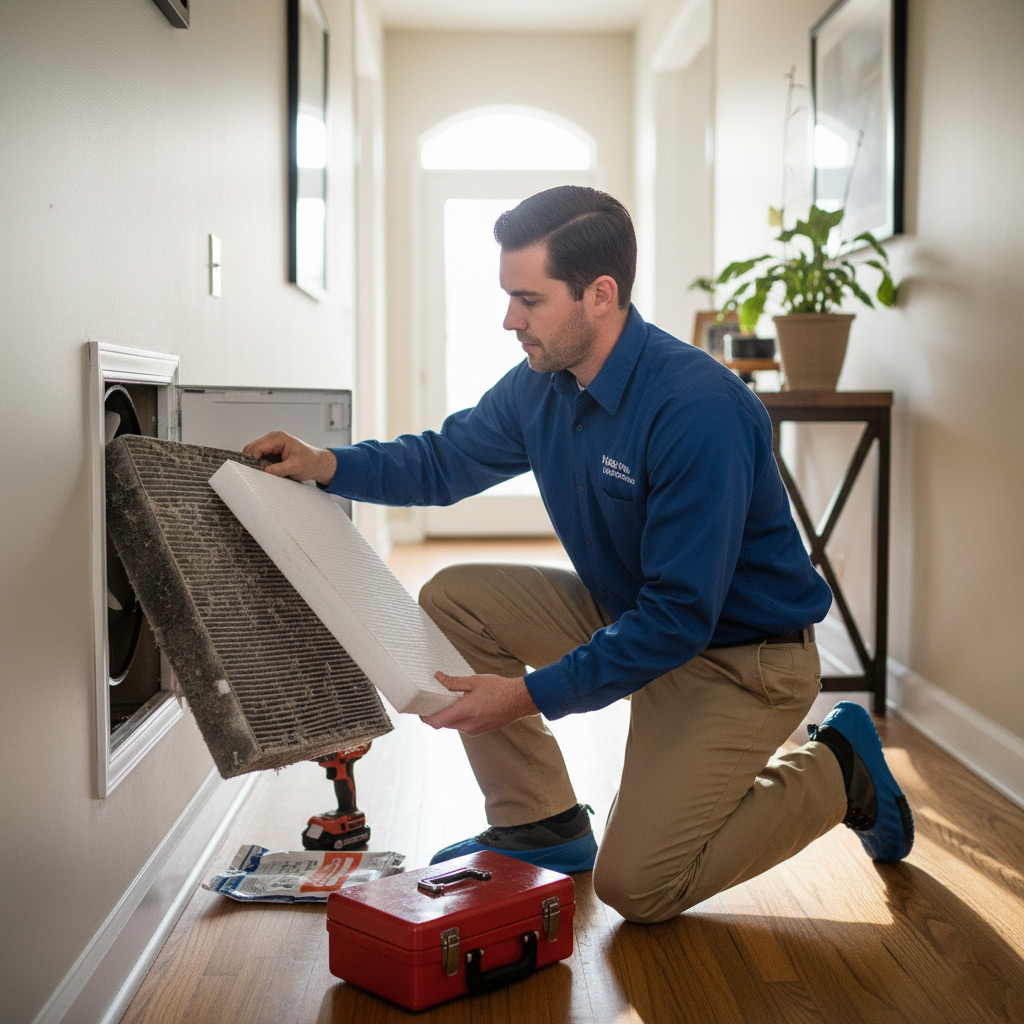
Case Study: How We Transformed a Boston Home's Chilly Heat Pump into a Winter Workhorse
Remember that bone-chilling February last year? The Greens, living in a beautiful triple-decker in Southie, certainly do. Their heat pump was blowing lukewarm air, constantly cycling, and frankly, just couldn't keep up with Boston's brutal cold.
They called us, desperate for a real solution, not just another quick fix. Our expert technician arrived, not just to look at the system, but to perform a deep diagnostic dive. We quickly uncovered a significant refrigerant undercharge, a clogged air filter, and auxiliary heat strips failing to activate when truly needed.
The fix involved a precise refrigerant recharge, comprehensive coil cleaning, and replacing a faulty auxiliary heat sequencer. This turned their struggling heat pump into a powerhouse, delivering consistent, comfortable warmth and the savings they expected, even below freezing.
Proactive Protection: Seasonal Maintenance for Uninterrupted Winter Comfort
Boston winters hit hard, and the last thing you want is your heat pump struggling when temperatures truly plunge. Waiting for a system breakdown before you act is a recipe for shivering nights and unexpected repair costs. Regular, preventative check-ups are your best defense against the bitter cold.
Think of it like getting your car serviced before a long road trip; you want everything running perfectly. Our pros don't just peek under the hood. We meticulously clean vital components, check refrigerant, verify electrical connections, and make sure every part is primed to give you maximum heat production. This isn't just about stopping problems, it's about ensuring your heat pump *squeezes out every drop of warmth* it can, without wasting power.
A small investment in annual tune-ups before the cold sets in pays huge dividends. It means fewer breakdowns, longer equipment life, and most importantly, consistent, cozy comfort when you need it most. Don't let a Boston winter catch your heat pump unprepared; arm it with the professional care it deserves for a reliably warm season.
Final Words: Embrace a Warm Boston Winter with Confidence.
You've now armed yourself with the knowledge to conquer the coldest Boston days, not just endure them. Your heat pump isn't just an appliance; it's an investment in your home's comfort and your peace of mind. Make sure it lives up to its full potential.
By understanding its cycles, performing those crucial DIY checks, and knowing when to call in the experts, you're taking control. Don't settle for anything less than a truly warm home, especially when top-tier heat pump repair can restore peak performance.
This winter, step into a home that's consistently cozy, no matter how much the mercury drops outside. Take confidence in knowing your heat pump is optimized, efficient, and ready to deliver powerful, steady heat all season long. Enjoy the comfort you deserve.
People Also Ask
Why does my heat pump struggle to heat my Boston home in deep winter?
Your heat pump might struggle due to common issues like a clogged air filter, insufficient refrigerant levels, or an inefficient defrost cycle. Boston's colder temperatures also demand more from the system, making minor underlying problems more noticeable.What's the difference between a heat pump's regular heating and auxiliary heat in cold weather?
Regular heat pump operation extracts warmth from the outside air and transfers it indoors, which is efficient in moderate cold. Auxiliary heat, often an electric resistance coil, automatically engages when temperatures drop too low for the heat pump to efficiently meet the heating demand, or during rapid temperature recovery needs.What are some simple ways to improve my heat pump's heating performance in winter?
Regularly replace your air filters, ensure the outdoor unit is clear of snow and debris, and check for proper thermostat settings. Sealing drafts around windows and doors can also significantly reduce the workload on your heat pump.How important is professional maintenance for a heat pump during Boston's winter months?
Professional maintenance is crucial to ensure your heat pump operates at peak efficiency and reliability throughout Boston's harsh winter. Technicians can identify and address minor issues before they escalate into major breakdowns, ensuring consistent warmth and preventing costly emergency repairs.How can I tell if my heat pump's defrost cycle is working correctly?
During a defrost cycle, the outdoor unit will briefly stop heating, its fan may run, and you might see steam rising from the coil. If your outdoor coil is consistently covered in ice, or if the defrost cycle seems excessively long or infrequent, it could indicate a problem requiring professional attention.
Boston HVAC brings extensive experience to climate control solutions. Serving the Boston area, they are deeply familiar with local heating and cooling requirements. Their team is dedicated to reliable service for homes and businesses across the city.
Need HVAC?
We provide rapid solutions and drive definitive outcomes for businesses and individuals across Boston and surrounding areas (02108, 02116, 02210, 02139, 02445).
Request Your Quote