
It’s 3 AM. Outside, the Boston wind howls, driving temperatures into single digits, or maybe it’s a July heatwave suffocating the city. Inside, your furnace just died – or your AC unit decided to take an unscheduled vacation.
That gut-punch feeling? The sudden dread that grips you when your home comfort system goes kaput, leaving you scrambling? We know it well. In Boston, an HVAC breakdown isn’t just an inconvenience; it’s a serious threat to your family's comfort and safety.
Don’t panic. While the situation feels dire, a quick, informed response can make all the difference between a minor setback and a complete disaster. You need a battle plan, right now.
This guide cuts through the noise to give you the exact steps you need to take when your HVAC system decides to quit, ensuring you’re prepared to tackle any home climate crisis head-on.
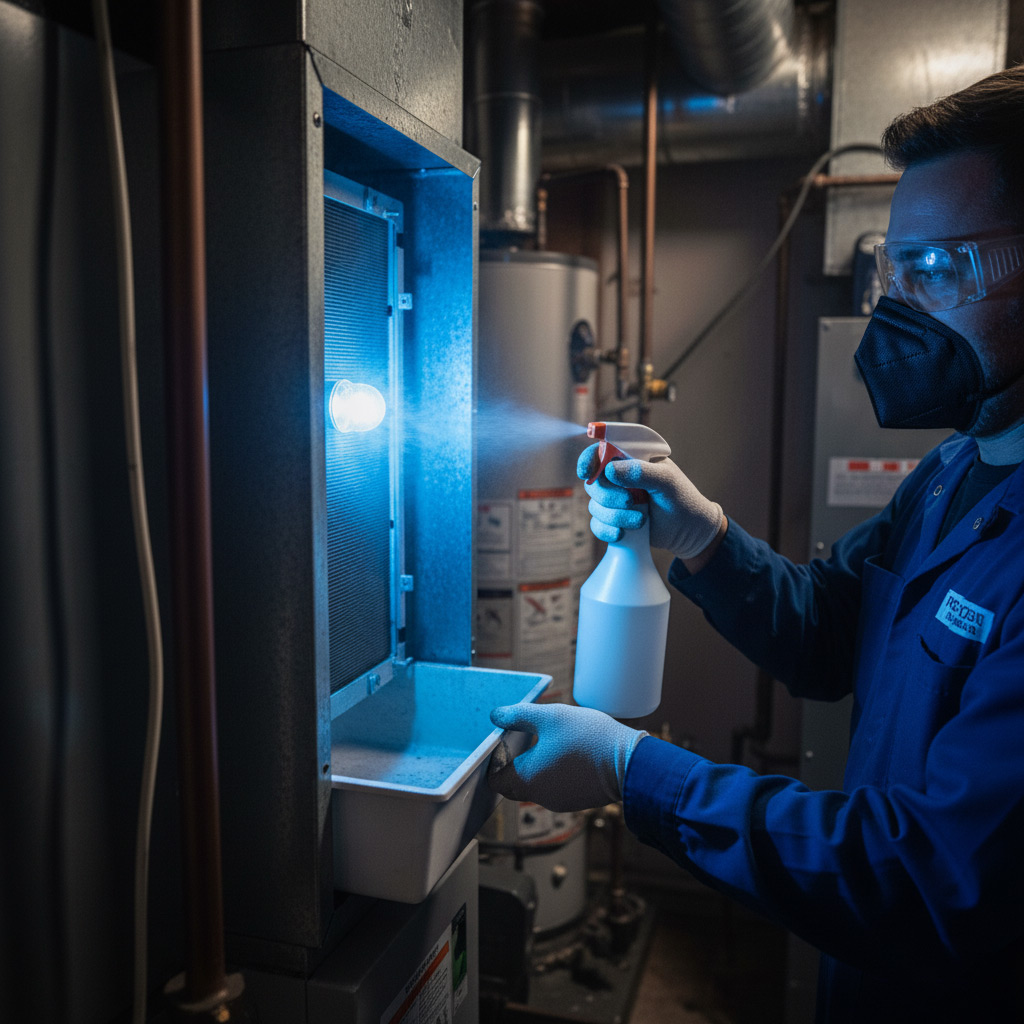
Immediate First Steps: Your HVAC Emergency Checklist
When your HVAC system crashes, especially during extreme Boston weather, your first reaction might be panic. Resist that urge. Your immediate actions are crucial for both your safety and the potential for a quicker, less costly repair. Think of these steps as your essential pre-flight checklist for a climate crisis.
Before you even think about calling for help, take a few moments to assess the situation safely. This isn't just about saving money; it's about protecting your home and everyone in it. Remember, safety always comes first.
Prioritize Safety: What to Check Immediately
- Is there a gas smell? If you detect even a faint odor of natural gas, evacuate your home immediately. Do not use light switches, phones, or anything that could create a spark. Call 911 from a safe distance. This is not a drill.
- Any strange electrical issues? Look for burning smells, flickering lights, or tripped circuit breakers. If you suspect an electrical problem, power down the entire unit at the breaker box to prevent further damage or fire hazards.
- Carbon Monoxide Alarm? Ensure your carbon monoxide detectors are working. If one sounds, get fresh air immediately and call emergency services. CO is an invisible, odorless killer.
Once you’ve confirmed safety, move on to some quick diagnostic checks. These simple steps often resolve minor issues without needing a service call. They also provide valuable information if you do need a professional technician.
Quick Diagnostics: Your DIY Troubleshooting Rundown
- Check Your Thermostat: Is it set to the correct mode (heat/cool)? Is the temperature setting accurate? Sometimes, a simple adjustment is all it takes. Make sure the batteries aren't dead.
- Examine the Circuit Breaker: Head to your electrical panel. Has the breaker for your furnace or AC tripped? Flip it completely off, then back on. Don't just push it partially.
- Inspect Air Filters: A clogged filter restricts airflow, causing your system to overheat or freeze up. Pull it out and see if it's completely choked with dust and debris. A dirty filter can shut down your entire system.
- Outdoor Unit Check: For AC units, ensure the outdoor condenser unit isn't blocked by leaves, snow, or debris. Give it some breathing room.
Taking these initial actions not only safeguards your household but also arms you with crucial details. This information helps Boston HVAC experts diagnose the problem faster when they arrive. Don't underestimate the power of these first few steps.
Decoding the Crisis: Common HVAC Malfunctions and Their Red Flags
When your HVAC system throws a tantrum, it's not always a mystery. Often, it gives off clues – if you know what to look for. Recognizing these early warning signs can sometimes prevent a total system collapse or at least give you a heads-up that a serious problem is brewing.
Understanding these critical indicators helps you communicate more effectively with emergency technicians. It also empowers you to make smarter decisions about whether to tough it out or call for immediate professional help. Let's break down the most frequent culprits behind those sudden comfort meltdowns.
The Silent Treatment: No Power or No Airflow
- System is completely dead: Check your thermostat settings first. Is it on? Is the fan set to "auto" or "on"?
- Breaker tripped: Head to your electrical panel. A tripped breaker to your HVAC unit means it's trying to draw too much power. Don't just reset it repeatedly without investigating.
- No air moving: Even if the unit hums, if air isn't coming out of vents, you might have a fan motor failure or a severely clogged filter.
Strange Noises or Odors: Your HVAC is Crying for Help
- Grinding, squealing, or banging: These are never normal. They often point to failing motors, loose components, or a broken fan blade.
- Hissing or bubbling: Could indicate a refrigerant leak, which is a serious issue that impacts both performance and safety.
- Burning smell: A definite red flag. This can be electrical wiring, burning dust on heating elements, or an overheating motor. Turn off the unit immediately.
- Musty or mildew smell: Often a sign of mold growth within your ducts or evaporator coil, particularly common in damp Boston homes.
Performance Problems: Not Doing Its Job
- Warm air from AC/Cold air from furnace: The most obvious sign something is wrong. Your system isn't delivering its core function.
- Short cycling: The unit turns on, runs for a very short time, then shuts off, only to repeat the cycle. This is incredibly inefficient and stressful on the system.
- Thermostat inaccurate: If your home feels much hotter or colder than what the thermostat reads, it could be a faulty sensor or thermostat itself.
- Unexplained spikes in energy bills: Your system is working harder than it should to maintain temperature, indicating a major inefficiency or breakdown.
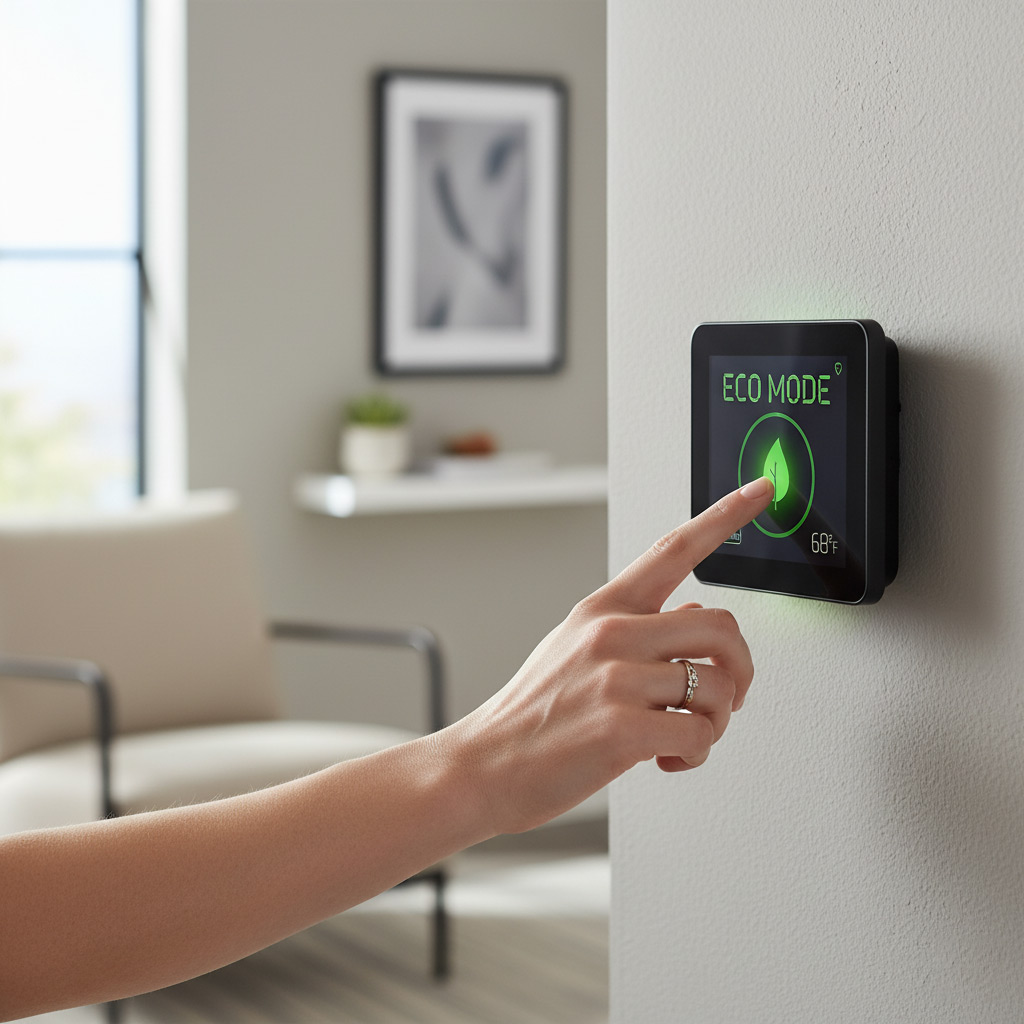
Urgent or End-of-Life? When to Call for Emergency HVAC Repair in Boston
You’re staring at a dead thermostat, and your gut says “EMERGENCY!” But before you dial for immediate help, it’s smart to quickly assess the true situation. Not every HVAC hiccup demands a middle-of-the-night hero mission, especially when considering the premium cost of after-hours service.
So, what truly warrants an urgent, 24/7 call in Boston? It comes down to two critical factors: safety and extreme discomfort that compromises health. Here's when you absolutely should reach out to emergency professionals:
True HVAC Emergencies in Boston:
- No Heat in Freezing Weather: If temperatures are dropping below freezing and your furnace won't ignite, this is a dangerous situation. Pipes can burst, and hypothermia is a real risk.
- No AC During Extreme Heat: A suffocating Boston summer day with no air conditioning can lead to heatstroke, especially for the elderly, young children, or those with health conditions. This is a health emergency.
- Gas Leaks: If you smell gas near your furnace or boiler, evacuate immediately and call the gas company first, then your HVAC expert from a safe location. This is life-threatening.
- Electrical Malfunctions: Burning smells, sparks, or tripped breakers associated with your HVAC unit could indicate a dangerous electrical issue, posing a fire risk.
- Carbon Monoxide Detector Alarms: If your CO detector goes off, ensure everyone is safe, then call for emergency service. This is a silent killer.
However, some issues, while frustrating, don't necessarily demand immediate emergency pricing. A noisy fan, a minor drip from a drain line, or inconsistent cooling on a mild day can often wait until business hours. These still need attention, but not necessarily a flashlight and a 3 AM service call. Consider if the issue is threatening your immediate health or safety, or causing potential severe damage to your home. If not, scheduling a regular appointment often makes more financial sense.
Then there's the toughest call: is your HVAC system truly broken, or is it simply at the end of its lifespan? If your unit is 15-20 years old and this isn't its first major breakdown this year, an emergency repair might just be throwing good money after bad. A professional evaluation can help you determine if an expensive, urgent fix is truly worthwhile, or if investing in a new, more reliable, and energy-efficient system is the smarter, long-term move for your Boston home. Don't waste critical funds on a temporary patch if replacement is inevitable.
Choosing Your Lifeline: Selecting the Right 24/7 Boston HVAC Experts
When your HVAC system crashes, you’re not just looking for a repairman; you’re looking for a savior. The wrong choice can mean more downtime, botched repairs, or even unnecessary expenses.
In Boston, where temperatures swing wildly, you need a team that understands the local climate and its specific demands on your system.
Don't just grab the first name you see online. A few quick checks can save you a world of hurt.
What to Demand from Your Emergency HVAC Provider:
- True 24/7 Availability: Do they answer the phone at 3 AM? Not just an answering service, but dispatching actual technicians. Some companies claim 24/7 but only respond during business hours for non-emergencies.
- Boston-Specific Expertise: Is their crew familiar with Boston’s unique building codes, older home systems, and the brutal winters or humid summers? This isn't a minor detail; it impacts their speed and effectiveness.
- Certified and Vetted Technicians: Your home's safety is on the line. Ensure they employ NATE-certified professionals who are background-checked and fully insured. Ask about their training.
- Transparent Pricing: A reputable company will provide clear explanations of costs *before* work begins. Avoid anyone who seems dodgy about their rates, especially for emergency calls.
- Solid Reputation: Check recent online reviews. Do people praise their responsiveness, professionalism, and effective problem-solving? Look for patterns of positive feedback regarding emergency services.
Your emergency HVAC partner should feel like an extension of your home's preparedness plan. They should be swift, skilled, and communicate clearly under pressure.
Making an informed decision, even in a panic, ensures you get your home comfort back online without additional stress or costly mistakes.
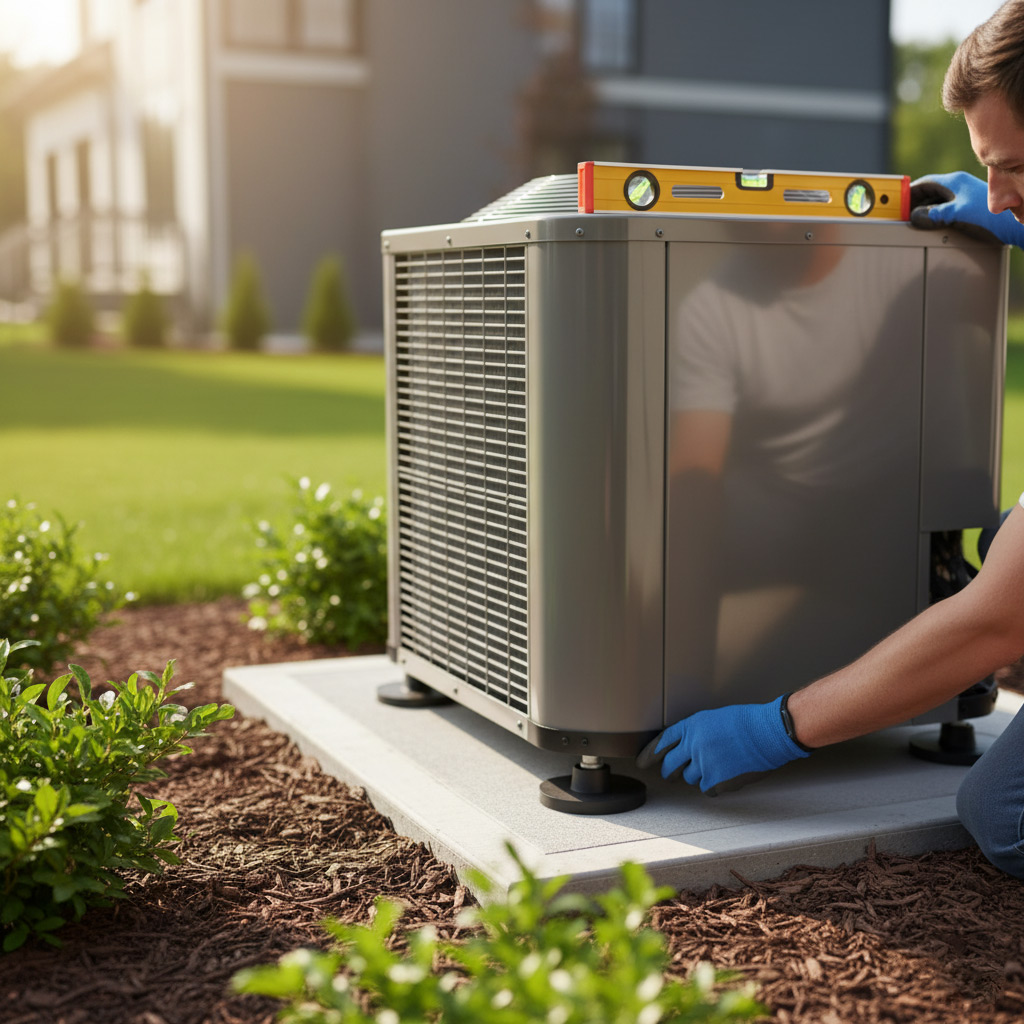
Beyond the Breakdown: The Emergency Repair Process & What Comes Next
When your chosen Boston HVAC pros finally arrive, it's not just a random guess. They're coming equipped for action. Expect a thorough inspection, often starting with power checks and refrigerant levels if it's AC, or meticulously examining gas lines and ignition systems for furnaces. Their primary goal is a rapid, accurate diagnosis of the core issue. This initial phase is about swiftly getting to the root cause, not just slapping a band-aid on a symptom.
Once the problem is identified, your technician will clearly explain exactly what's wrong and lay out your best options. You'll get upfront, transparent pricing – no hidden surprises, especially when you're already dealing with stress. With your approval, the necessary repair gets done fast, often right on the spot, thanks to fully stocked service vans. They work diligently to restore your home's comfort, whether it's a faulty compressor or a blown ignitor.
But the service doesn't stop once the heat or cool air is flowing again. A truly top-tier emergency service often includes a post-repair check to ensure everything's running optimally and safely. This is also your golden opportunity to ask about preventative measures. Smart Boston homeowners know an emergency is often a critical warning sign; discuss regular maintenance plans to actively prevent future breakdowns. Consider options like comprehensive tune-ups or even system upgrades if your unit is really struggling.
Boston Saves the Day: An Emergency Repair Success Story
Imagine this chilling scenario: It was a brutal January night in South Boston, temperatures already plummeting into single digits, when the O'Malley family’s furnace decided to stage a dramatic, unexpected shutdown. Their home quickly became an alarmingly cold space, triggering that gut-wrenching dread no family wants to experience—especially with the very real threats of frozen pipes and true discomfort looming large.
Rapid Response & Resolution: A Boston HVAC Win
Their urgent call to our 24/7 emergency line instantly dispatched our certified technician, Mike, who was on site in under an hour – a true beacon of relief against the frosty backdrop. Mike’s expert assessment quickly pinpointed a faulty igniter, a common but critical failure, and crucially, he had the exact replacement part already on hand, stocked right in his service vehicle.
Within another efficient hour, the new igniter was expertly installed and rigorously tested, bringing the immediate, wonderful relief of circulating warm air back into the O'Malley home. "It felt like magic," Mrs. O'Malley later shared. "From freezing
Final Words: Staying Prepared for Boston's Unpredictable Climate
You’ve just navigated a home climate crisis, and hopefully, your Boston HVAC system is back online, blasting comfort. But here’s the stark truth: while emergency repairs fix the immediate problem, they don't prevent the next one. Boston's weather swings, from frigid winters to brutal summers, put immense strain on your heating and cooling equipment.
The real secret to avoiding future meltdown moments? Proactive maintenance. Think of it as your system's annual physical. Regular tune-ups catch small issues before they snowball into costly, no-heat-at-3-AM nightmares. It's the smartest investment you can make for your peace of mind and your wallet.
Don't wait for another emergency. Get ahead of the game with regular service. A well-maintained system isn't just reliable; it runs more effectively, saves you money on energy bills, and extends its lifespan. For comprehensive care and to learn more about preventing future breakdowns, check out our expert HVAC Repair services.
People Also Ask
What constitutes an HVAC emergency in Boston?
An HVAC emergency typically involves a complete system breakdown during extreme Boston weather, such as a furnace failure in freezing temperatures or an AC collapse during a heatwave. Other critical situations include gas leaks, unusual burning odors, or excessive water leaks from the unit, posing immediate safety risks.What immediate steps should I take if my HVAC system fails unexpectedly in Boston?
First, check your thermostat settings to ensure it’s on the correct mode and temperature, then inspect your circuit breaker for a tripped switch. Replacing a dirty air filter can also sometimes resolve minor issues, but for complex problems, contact a professional.How do I find reliable 24/7 emergency HVAC repair services in Boston?
Look for local Boston HVAC companies with strong online reviews, verifiable licensing, and explicit mention of 24/7 emergency services on their website. Prioritize businesses that offer transparent pricing and demonstrate rapid response times for critical situations.Is it safe to try fixing an HVAC emergency myself in Boston?
For most significant HVAC malfunctions, it is strongly advised to avoid DIY repairs due to potential safety risks and the possibility of causing further damage. Issues involving refrigerant, electrical components, or gas lines should always be handled by certified Boston HVAC technicians.What are common red flags indicating an impending HVAC meltdown in Boston?
Watch for persistent strange noises like grinding or banging, unusual odors such as burning or gas, and noticeable drops in heating or cooling efficiency. Frequent cycling on and off, or constantly tripping circuit breakers, also indicate your system is struggling and requires immediate professional attention.
Boston HVAC offers extensive experience in providing tailored heating and cooling solutions across Boston, MA. Their certified technicians are dedicated to maintaining comfortable indoor climates for local residents and businesses. As a committed community partner, Boston HVAC is attuned to the specific needs of the region's climate.
Need HVAC?
We provide rapid solutions and drive definitive outcomes for businesses and individuals across Boston and surrounding areas (02108, 02116, 02210, 02139, 02445).
Request Your Quote